
Choose the guest experience and the output
A booth name may describe the camera, its enclosure, the print design or an effect. Start with whether guests should pose at a station, meet a photographer around the room, use their phones or make a short video.
Then choose what they receive: a colour photograph, instant-film print, black-and-white receipt, moving clip or another keepsake. The paper alone does not tell you which camera, lighting or floor space a service uses.
Photo formats at a glance
| Option | Guest experience | Output to confirm |
|---|---|---|
| Fixed-camera booth | Pose together at a station | Prints, digital files and copy allowance |
| Roving photography | A photographer approaches guests | Gallery and optional live prints |
| Instant camera or film printer | Take a film photo or print from a phone | Instant-film prints; copying depends on device |
| Monotone receipt guestbook | Take photos on guests’ own phones | Black-and-white receipts and digital guestbook |
| Video or specialist format | Make a clip or themed portrait | Finished file or physical sample |
Fixed-camera booths and visual styles
A fixed-camera booth gives guests a place to pose together. An open setup can make it easy to gather friends; an enclosed booth creates a more private turn. Ask how many people fit comfortably and whether anyone helps with posing.
Mirror, wooden and high-angle designs describe different appearances or camera positions. They do not guarantee a particular print or lighting setup. Ask for a photograph of the complete installation and a sample made with the equipment you would book.
A newspaper layout changes the design of the print; a magnet changes how guests display it. Confirm the paper, finished size and copies rather than assuming the name includes a different camera experience.
Black-and-white and vintage-style booths
A black-and-white photo booth can mean three different setups. A conventional booth may add a black-and-white filter and print on photo paper. A vintage-style booth usually adds a retro cabinet and photo-strip layout. A receipt booth prints on thermal paper.
The paper changes the look. Photo paper shows smooth shades of grey, while a photo receipt builds the image from fine dots, which gives it a grainier texture. Compare printed samples rather than screen previews before choosing.
“Vintage” may describe the cabinet and strip design rather than how the photo is made. If genuine film matters to you, ask whether the booth is analogue or digital, and how many strips each turn produces.
Roving photography with optional prints
A photographer moves between guests instead of asking everyone to visit a camera station. It can suit table groups and mingling, provided the coverage plan fits the meal, speeches and people you want photographed.
The Photo Booth offers roving photography with live-print options. Confirm whether your quote includes those prints, digital delivery and print support, then agree where guests collect copies.
A roving photographer still needs time to reach groups, and printing needs a collection point. For a closer comparison with a fixed booth and a self-run camera, see booth, roving photographer or Instax.
Instant cameras and phone-connected film printers
An analogue instant camera lets guests make a physical photo with each exposure. It suits an album corner where taking the picture and writing beside it are part of the activity. Film, retakes and help with loading need a budget.
An Instax mini 12 photo takes about 90 seconds to develop, depending on temperature. Each exposure makes one print; another print needs another shot. Leave room for developing pictures beside the album.
A phone-connected printer uses a digital image instead. The Instax mini Link 3 can reprint an image, so a guest copy and album copy need not be separate photographs. Check the device’s copying process and include every print in your supplies.
Monotone: receipt photos and a digital guestbook
With a Monotone receipt photo booth, guests take photos on their own phones and can add an optional note or drawing. They collect custom black-and-white receipts, while their photos and messages stay together in a digital guestbook.
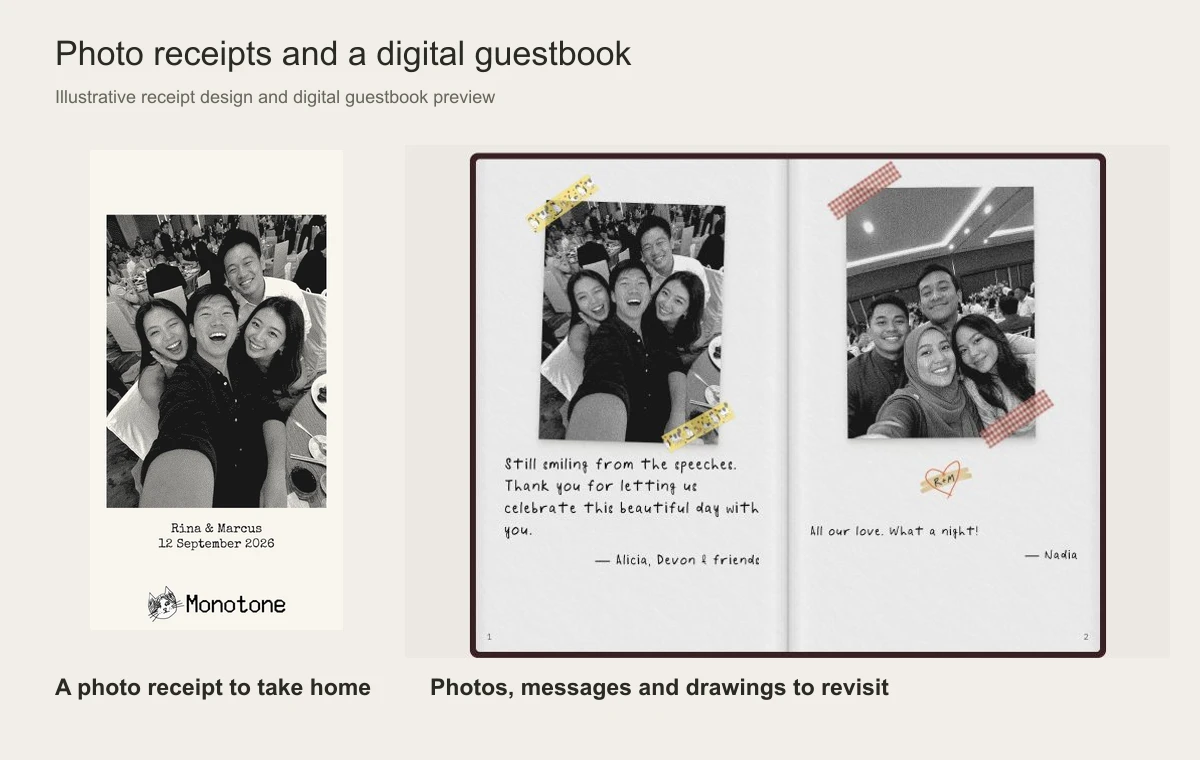
The lettering, artwork and black-and-white photo treatment are part of the receipt design. See receipt and guestbook examples to judge the result. An operator runs the print station and helps guests collect their receipts.
Choose this if you like photos taken by your guests and the receipt-paper keepsake. For posed portraits with controlled lighting or colour photo-paper prints, consider a conventional booth.
Video booths and other specialist formats
A video booth asks guests to move or pose for a clip rather than a still photograph. Cheese Effects offers a rotating-camera video service. Ask to see the delivered file, then confirm how guests receive it and the clearance needed around the equipment.
A flipbook turns a short movement into printed pages that animate as guests flick through them. It suits someone who wants a physical object from a video. Ask to handle a finished book and allow time for printing, assembly and collection.
An AI portrait changes the photographed image using a chosen theme or effect. It suits guests who want that transformation. Try the actual effect first, then ask about processing time, retakes, file delivery and how the supplier handles original photographs.
Choose the effect because you want that result, rather than assuming it improves the photograph. If the activity needs a long individual turn, ask how it fits the time when guests are free.
Judge the photos using the proposed setup
Camera, lighting and direction affect the photograph independently of the print format. Ask for a complete sample from a setup comparable with your venue, including the group size you expect.
- Photographs: can you see faces clearly in both couple and group pictures?
- Lighting: what does the supplier provide, and what must the venue provide?
- Guest help: who frames, triggers and checks the picture, and can guests retake it?
- Finished output: are you judging an actual print or only a bright screen preview?
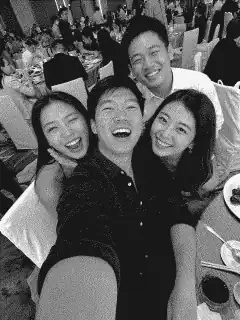
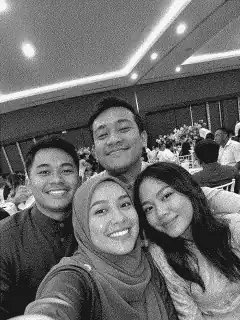
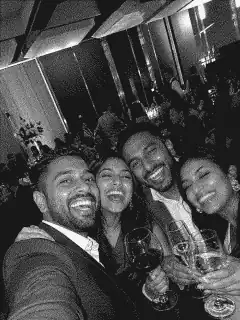
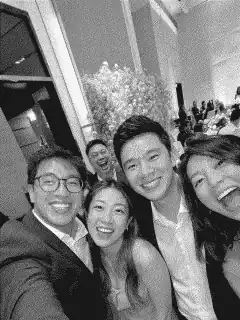
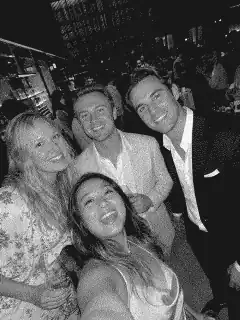
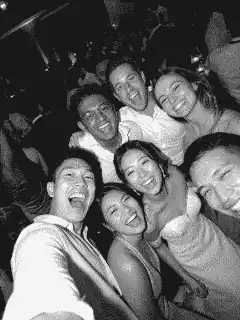
Monotone processes photos into a black-and-white dot pattern before printing. That treatment contributes to the grainy appearance. Judge a representative receipt sample rather than using printer specifications to predict how a portrait will look.
Check the complete setup with your venue
Ask the supplier to mark its equipment, operator, waiting space and collection point on the venue plan. A compact camera or printer does not describe the whole area guests will use.
- Space and access: confirm the full dimensions, including guest movement and any moving equipment.
- Furniture and power: agree tables, sockets, cable routes and what the venue supplies.
- Timing: confirm access for setup, testing and removal, alongside the actual hours guests can participate.
- Collection: keep prints and waiting guests clear of registration, food service and exits.
Where to compare current prices
Use the photo booth cost guide for dated package comparisons. The SingaporeBrides vendor guide is another starting point, but confirm every rate and inclusion with the supplier.
Agree what you can keep after the event
Ask how to care for the actual paper supplied. Heat, light and storage matter, and a receipt print should not be chosen for the same preservation expectations as a photographic print. Our guide to how long thermal photo prints last explains storage.
For a digital record, confirm what you can download, who can view it and when access ends. Save the agreed photos, clips or guestbook files before that deadline. Do not assume the supplier will store them permanently.
Choose with a sample and a complete quote
- Which experience would your guests enjoy: posing, meeting a photographer, using their own phones or making a clip?
- Which finished object or file do you want, and have you seen a representative sample?
- Does the complete setup fit the venue and the time guests are free?
- Who helps guests, handles copies and resolves problems?
- What is included in the total, and what will you be able to save afterwards?
If the service duplicates your existing photography or guestbook plan, you can skip it. The vendor checklist helps you turn your chosen format into questions before paying a deposit.
Questions about photo booth types
Does a vintage or mirror booth make a different print?
Not necessarily. The name may describe the enclosure or guest interaction rather than the output. Ask for a finished sample and confirm the camera, lighting, print material and layout included in that particular service.
Why do black and white prints look grainy?
Black-and-white receipt images use a pattern of dots to suggest light and shade. With Monotone, image processing creates that pattern before printing. The appearance depends on the photo treatment and print process, so judge an actual sample rather than assuming all monochrome prints look alike.
Does a bigger booth mean better photos?
Not by itself. Ask to see group photographs made with the proposed camera and lighting in a comparable room. The equipment’s physical size does not establish how faces, backgrounds or larger groups will appear in your finished pictures.
What to have instead of a photo booth?
Alternatives include a roving photographer, an own-phone photo flow, a written or audio guestbook, and an instant-film station. Choose by whether you want room coverage, a guest activity, a takeaway, or a record to revisit.
Which formats need more planning for a large banquet?
Any format where each guest needs a long individual turn. Ask how many people can take part during your available window and what happens when several guests arrive together. With Monotone, guests can take photos at the same time, but printing and collection still need to be planned around the guest count.
Planning an event?
Get in touch for availability and pricing.
Contact usSee how a receipt photo booth works