
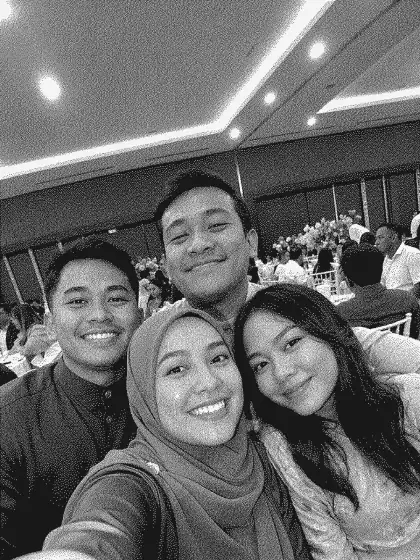
Describe the reception you want
Imagine a 50-person restaurant lunch after the solemnisation: everyone has a seat, two people make short speeches and you have time to visit each table. This is a planning example, not a fixed guest count or a programme every small wedding should follow.
Start by describing your own reception in one sentence. A seated lunch, afternoon tea and gathering with staggered arrivals need different arrangements, even with the same number of guests.
- Agree the meal, seating and venue access.
- Place the ceremony, photographs and speeches around service.
- Decide whether one optional activity or keepsake adds something.
- Check the complete room layout and give one person the final plan.
Agree the meal, seating and access
For the restaurant-lunch example, the first conversation is with the venue about how the room and meal will work. Let that arrangement establish the space available for everything else.
- Meal and drinks: confirm dietary needs, service style, timing, cake arrangements and who clears each course.
- Seating: give everyone who needs a chair a comfortable place, including during arrival or a room change.
- Access: keep entrances, aisles, toilets and service routes usable for your guests.
- Arrival: name the person greeting guests, showing seats and looking after gifts or ang baos.
- Your time: leave space to eat, greet people and join the photographs you want.
- Venue access: confirm when the room opens to suppliers and when it must be cleared.
Ask for the layout with fixed furniture and service paths marked. That makes it easier to judge whether a guestbook table or photo station actually fits, instead of choosing it from an empty-room photograph.
Build a simple lunch programme
Use the meal as the centre of the programme. For the illustrative 50-person lunch, the sequence below protects time with guests without inventing an extra activity for every interval.
- Before arrival: the venue and helpers finish the room, signs and any guestbook setup.
- Arrival: a friend welcomes guests; drinks and conversation give people time to settle.
- After the solemnisation: take the agreed family photographs while other guests move towards lunch. If the ceremony is elsewhere, allow for travel.
- Lunch: sit down and eat with guests. Arrange table visits around the venue's service rather than leaving your meal untouched.
- Speeches: place the two short speeches in an agreed pause so staff are not serving hot dishes during them.
- Before departure: leave time for greetings and any remaining photographs. Give a helper the guestbook and supplier handovers.
Add clock times with the venue and photographer once travel, service and ceremony arrangements are known. If the same room hosts both ceremony and lunch, include the reset and a comfortable place for guests to wait.
Adapt the plan to your venue
A restaurant lunch is only one option. Change the plan to match how guests arrive, eat and move, rather than copying a banquet schedule into a different setting.
- Afternoon tea or buffet
- Plan where people collect food and where they can sit. Keep greetings and any photo activity clear of that route.
- Church hall
- Use the church's approved rooms, food arrangements, supplier access and clearing deadline.
- Home or function room
- Account for existing furniture, deliveries, neighbours and cleanup. Give a helper responsibility for receiving suppliers.
- Open-house reception
- Leave room for arrivals at different times, with seating and refreshments available alongside mingling.
The church wedding planning guide covers church approval and ceremony arrangements. Keep those requirements with the church, even if the reception itself feels informal.
Choose an extra only if you want it
For the lunch example, a book of wishes might be enough. You can also leave the room as planned. A guestbook, music or photo service should add something you want without making the meal harder to enjoy.
In this Singapore discussion about a simple wedding, the organiser asks whether an emcee and games are needed. It is a useful question to ask of your own plans, rather than a rule about what a small wedding must include.
| Choice | What it adds | What to arrange |
|---|---|---|
| Keep the lunch as planned | More time to eat and talk. | Someone to cue speeches and photos. |
| Written wishes | A book or cards to revisit. | Pens, writing space and collection. |
| Photo guestbook | Pictures and messages together. | Agreed photos, prints, help and space. |
| Live music | Songs guests can enjoy seated. | Performers, sound and service timing. |
A written book gives you handwriting; a photo guestbook puts faces beside messages. If voices matter more, compare an audio book in the guestbook alternatives guide. Choose the record you expect to revisit, then agree who will gather it.
For music and other optional ideas, wedding entertainment without games explains what guests do and what you need to arrange. Keep longer activity comparisons there while you decide what deserves room in your reception.
A photo guestbook alongside the meal
Monotone for weddings lets guests take new photos on their own phones, add optional notes or drawings and collect custom black-and-white photo receipts. The photos and messages stay together in a digital guestbook for you.
Friends can take photos together during arrivals or a relaxed part of lunch, while an operator runs the print station. Place it where people can collect their receipts without blocking tables or meal service.
A conventional booth suits posed portraits and colour prints. If you mainly want pictures guests have already taken, use a shared album; if you want handwritten wishes, a written book may be enough.
Check the complete room layout
Place every extra on the venue's actual lunch layout. Include the people using it and the person helping, as well as equipment. A tabletop activity occupies dining space; a print station needs somewhere to collect the prints.
- Keep the door, accessible routes and staff paths clear.
- Mark seats, tables, equipment and the space guests need to stop.
- Check power and any network requirements with the supplier and venue.
- Agree where deliveries, spare materials and packed equipment can go.
- Confirm setup, collection and clearing times fit the room booking.
If an activity only fits by removing needed seats or narrowing a service route, choose a smaller alternative or leave it out. The meal and your guests' comfort still come first.
Give one person the final plan
A willing friend, coordinator or venue contact can cue the day without turning the lunch into a hosted show. Agree the role beforehand so somebody other than the couple handles routine questions.
For the example lunch, the plan might read: welcome guests, gather the named family groups, check with the venue before the two speeches, collect the guestbook and confirm supplier clearing. Add the responsible person and agreed time beside each task.
- Share the final guest count, seating and dietary requirements with the venue.
- Give the photographer the groups and moments you want.
- Name the person receiving suppliers and the person taking home gifts and the guestbook.
- Share the agreed timing, venue contact and room-clearing deadline.
- Keep a simple fallback: the lunch and conversation can continue if an optional activity is unavailable.
More questions couples ask
How many guests counts as a small wedding?
There is no useful single number for every venue. Plan against the approved room, seating, meal style and your guests' needs. A seated lunch and a reception with staggered arrivals may work differently with the same guest count.
Do we need to hire an emcee?
Not necessarily. For a few introductions and speeches, a willing friend may be comfortable making the announcements. Agree the words and cues beforehand. If you want someone to manage a fuller programme, discuss that responsibility with a professional emcee or coordinator.
Planning an event?
Get in touch for availability and pricing.
Contact usSee Monotone for weddings